 |
Work-Life Balance is not just women’s problem. People are task-combiners; we learn, work and care across all life stages. States and employers should support people by providing time, services and money. RE-WIRING WLB MAP: Your guide to understanding the key contributors to the gender gap in work-life balance, its severe consequences for women and men, and ways to address it. Follow our recommendations, take action, and lead the way! |
A better work-life balance is more than a personal challenge. It is a cornerstone of healthier, more productive workplaces and fairer, happier societies. Achieving it is a collective responsibility, with states and employers carrying a leading role in driving change.
Despite growing recognition of the importance of work–life balance, gaps remain, especially for women due to various reasons such as structural inequalities, and disproportionate caregiving responsibilities. These inequalities have concrete, long-term effects throughout women’s lifespans: from limited career opportunities and increased financial dependence to poorer health outcomes and lower pensions. Without effective action, today’s WLB gap amplifies tomorrow’s inequality.
This interactive tool offers a visual journey through the policies, practices, and lived experiences illustrating key challenges and solutions related to WLB. It is designed for organisations, employers, social partners, policymakers, institutions, and individuals who want to better understand the WLB gender gap and act on it. By clicking through whenever you see an arrow, users can:
- Explore essential European and national-level legislations
- Examine underlying factors, access excerpt from the interviews we conducted with sectoral, national and European-level organisations
- Find out more about better practices and utilise actionable “DOs and DON’Ts” for how to tackle WLB gender gaps
- DOs and DON’Ts are represented through green ✅ and red indicators ❌, organised across six themes:
Flexible Working Arrangements; Organisational Culture; Inclusive Leave, Policy Design & Affordability; Non-Transferable & Separate Leave for Fathers; ‘Time Off’ when You Need It; and Psychological Safety & Reintegration. Simply hover over green and red to read our recommendations.
What is included in the Map?
Path Towards Work-Life Balance
- An introduction to who this map is for and the RE-WIRING project’s Transformative Equality Approach (TEA).
- A chronological overview of EU WLB policies, alongside the Work-Life Balance Directive and its key points.
- Examples of national legislation and regulations from project partners.
Understanding the Gender Gap in WLB
- Insights into the key contributors to the gender gap (see the map for details).
- Insights into when WLB policies risk reinforcing inequalities and when the gap is likely to close (see the map for details).
- Highlights from the interviews (that the RE-WIRING team conducted with sectoral, national and European-level networks, employer organisations, and unions) reflecting how people experience WLB challenges when combining learning, working, and caring across life stages, and why states and employers need to provide time, services, and money.
Good Practices
- DOs and DON’Ts for employers and organisations, offering clear, actionable recommendations.
- DOs and DON’Ts for policymakers and social partners, supporting evidence-based policymaking.
Useful Resources
- A collection of useful resources, including toolkits, guides, campaigns, sectoral initiatives, and health and wellbeing materials.
What is different about this tool?
- It translates EU and national legislation into practice, linking policy with lived experience.
- It visualises contributing factors to the WLB gender gap, offering a comparative and accessible overview.
- It provides tailored, role-specific guidance, ensuring that both organisations and policymakers can act effectively.
- It connects users directly to practical resources such as toolkits, guides, and initiatives.
Research and Methodology
The map is based on a combination of literature survey, stakeholder interviews across consortium countries, and desk research on WLB reports and better practices. In line with the RE-WIRING TEA, the aim is not to expect women to adapt to the existing unequal and biased systems, but to challenge structural barriers, reshape workplace cultures, and promote shared responsibility between states, employers, and individuals.
For the Best Viewing Experience
To explore the map’s full functionality, use full-screen mode. This allows you to navigate between sections, follow interactive pathways, and access external resources directly.
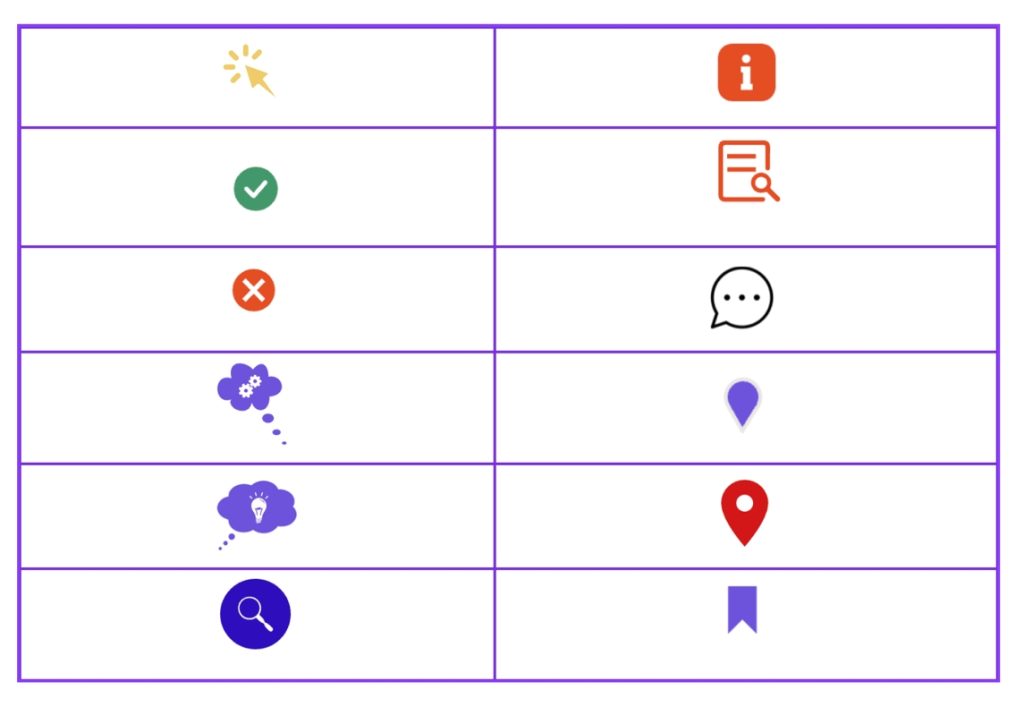
Navigation Symbols (see below): Look out for the following symbols as you explore the atlas and hover over them to learn more. They will help you navigate the map, highlight important details, and make your journey smoother.